
STRAIGHT LINES
A straight line is a line that joins two points with the shortest distance .
For example the line that joins point A to point B is called line AB
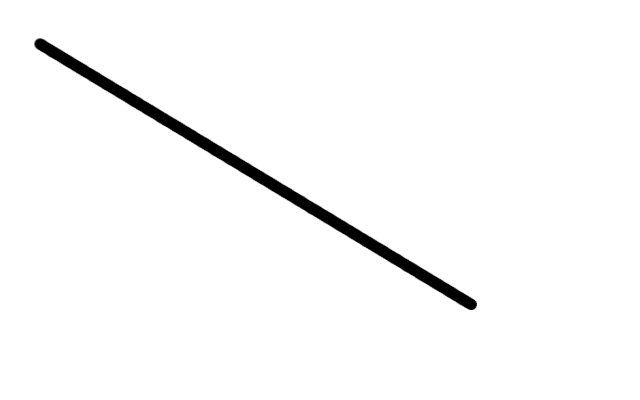 |
| STRAIGHT LINE. |
PARALLEL LINES
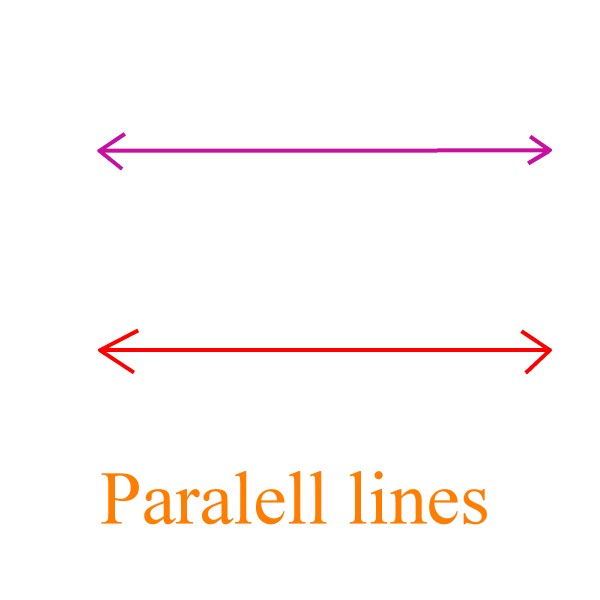
Parallel lines consist of two or more lines on a plane that are always the same distance apart and they never meet.
The symbol ‘ ¤¤ ’ is used to represent ‘ is parallel to ’.
For example,
C
|
D
|
M
|
N
|
O
|
P
|
PERPENDICULAR LINES
Perpendicular lines are two lines that are at right angles to each other.
The symbol ‘ ^ ’ is used to represent ‘ is perpendicular to ’.
For example ,

ANGLES
An angle
is formed when two straight lines meet at a point.
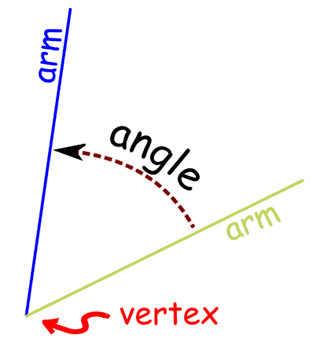 |
| THE STRUCTURE OF VERTEX. |
The symbol ‘ Ð ’ is
used to represent an angle.
The unit of measurement of an angle is degree ( °
) or radian.
Angles are named according to the names of the lines that
form the
angles .
TYPES
OF ANGLE
|
Angles are
classified according to their sizes.

Example :
Name
the following angles and state their characteristics
Size of angles
|
Name of angles
|
Characteristics
|
148°
|
||
56°
|
||
214°
|
||
90°
|
Solution :
Size of angles
|
Name of angles
|
Characteristics
|
148°
|
Obtuse angle
|
An
obtuse angle is greater than 90°
but less than 180°.
|
56°
|
Acute angle
|
Acute
angle is greater than 0° but less that 90°.
|
214°
|
Reflex angle
|
A
reflex angle is greater than 180° but less than 360°.
|
90°
|
Right angle
|
A
right angle = 90°.
|
PROPERTIES OF ANGLES
|

The sum of angles on straight line is 180 |

No comments:
Post a Comment